
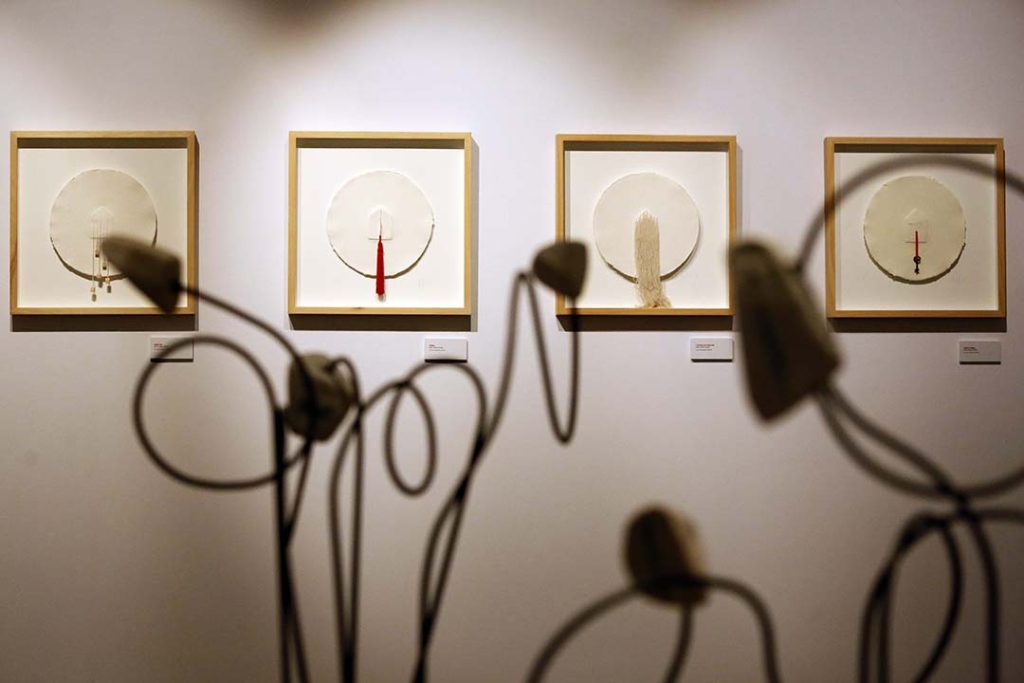
Exhibition «Tales Of The Inhabited»
EXPOSICIÓN «RELATOS DE LO HABITADO»
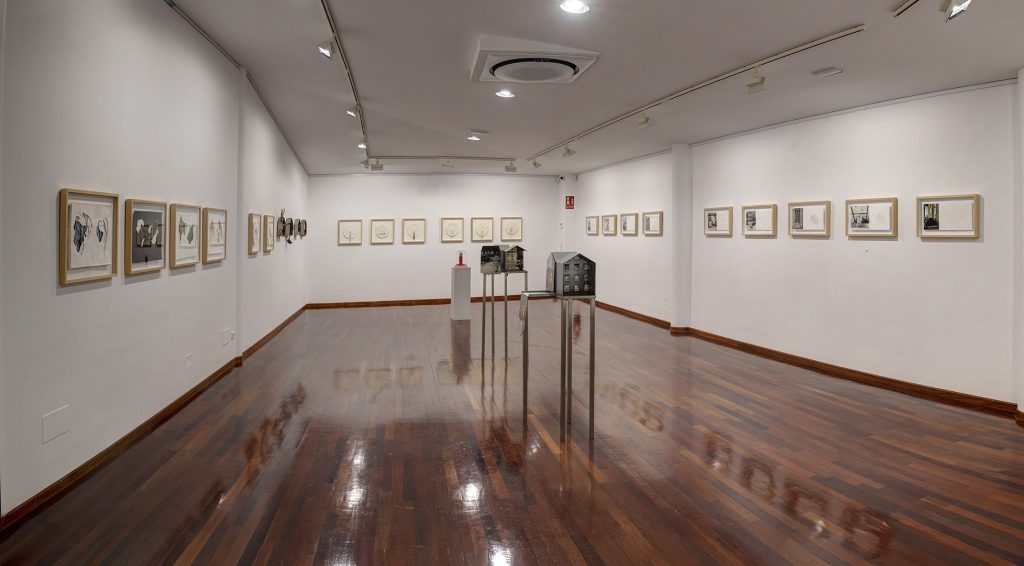
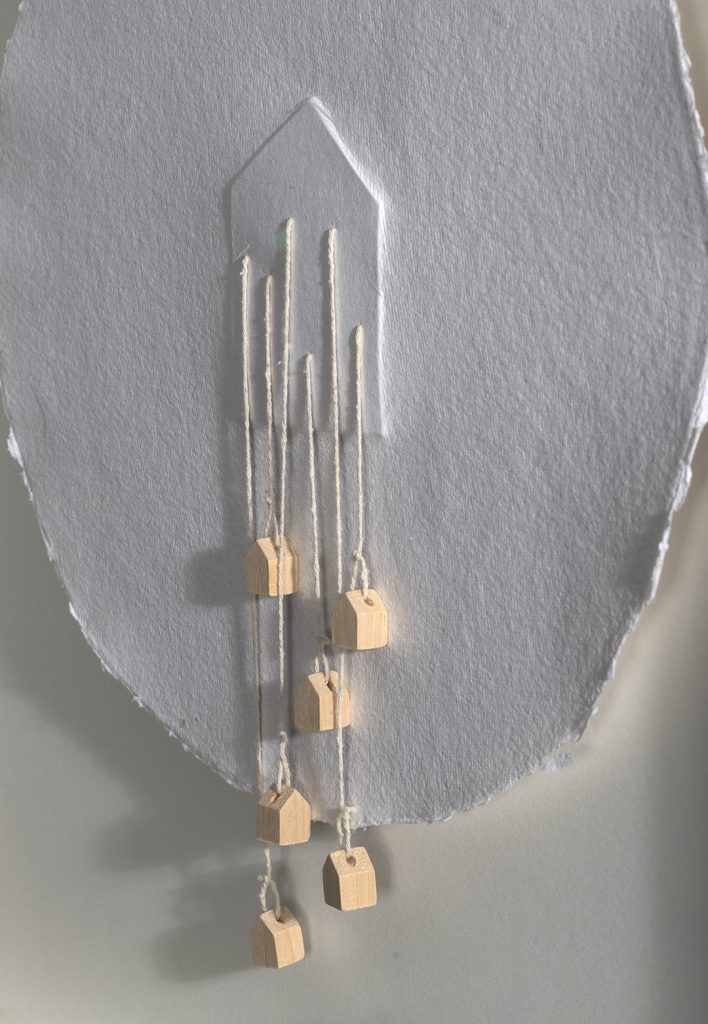
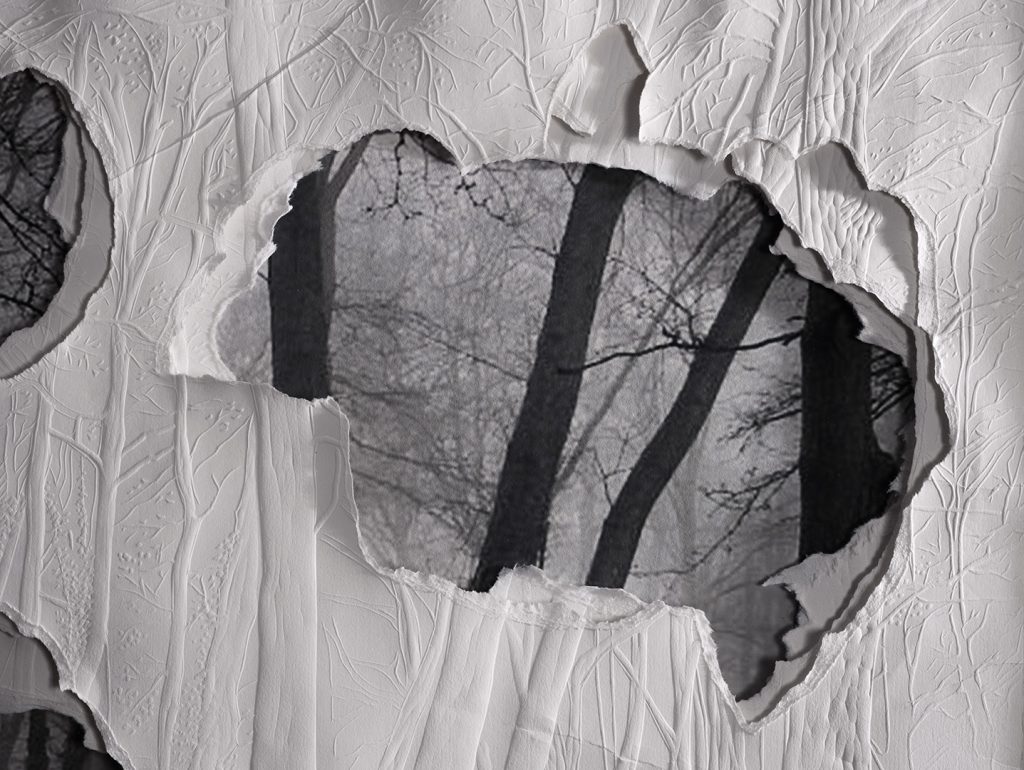
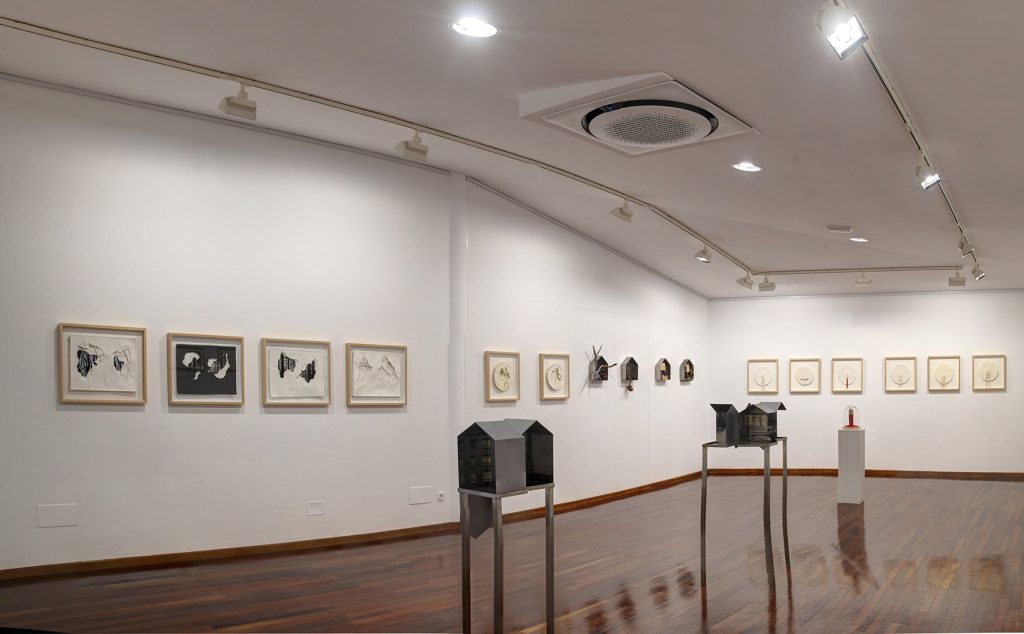
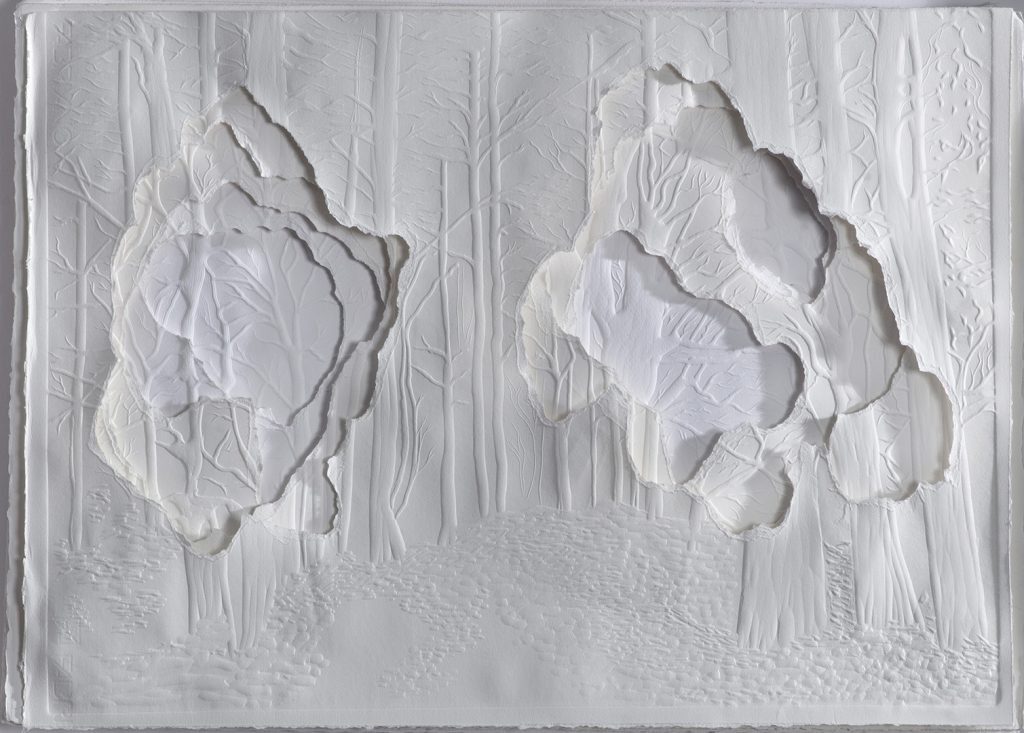
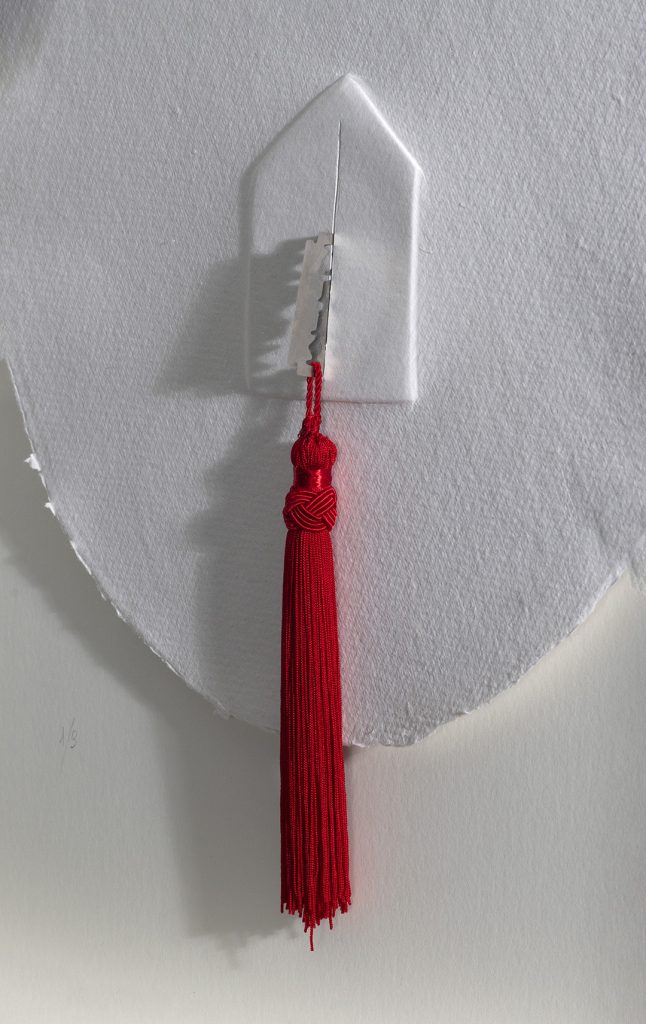
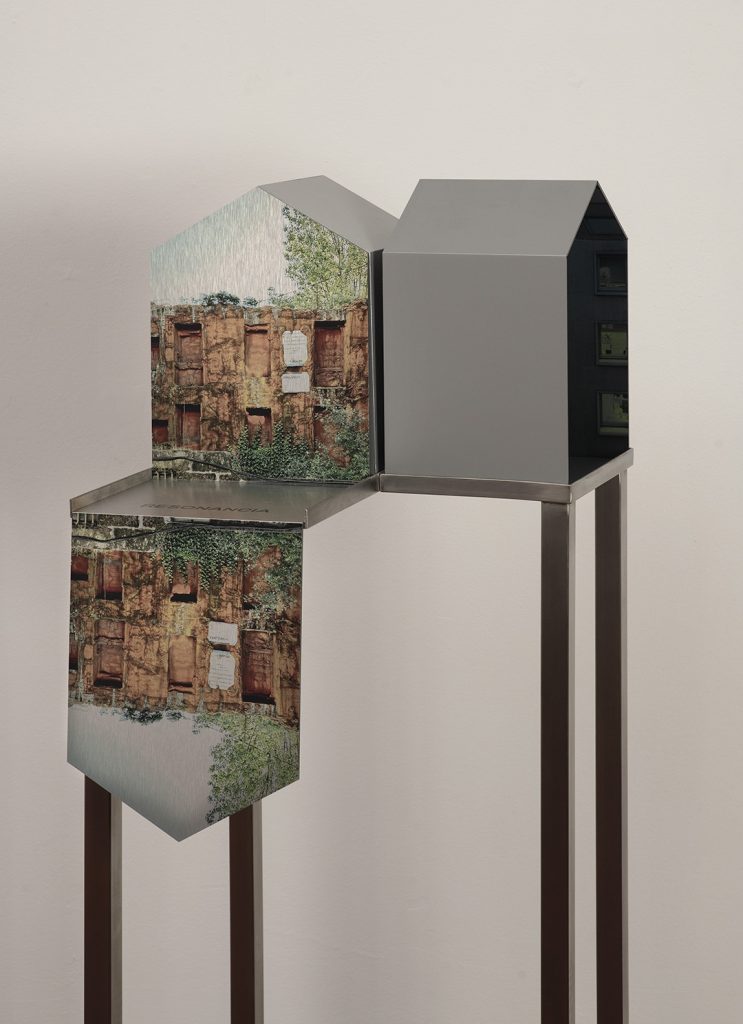
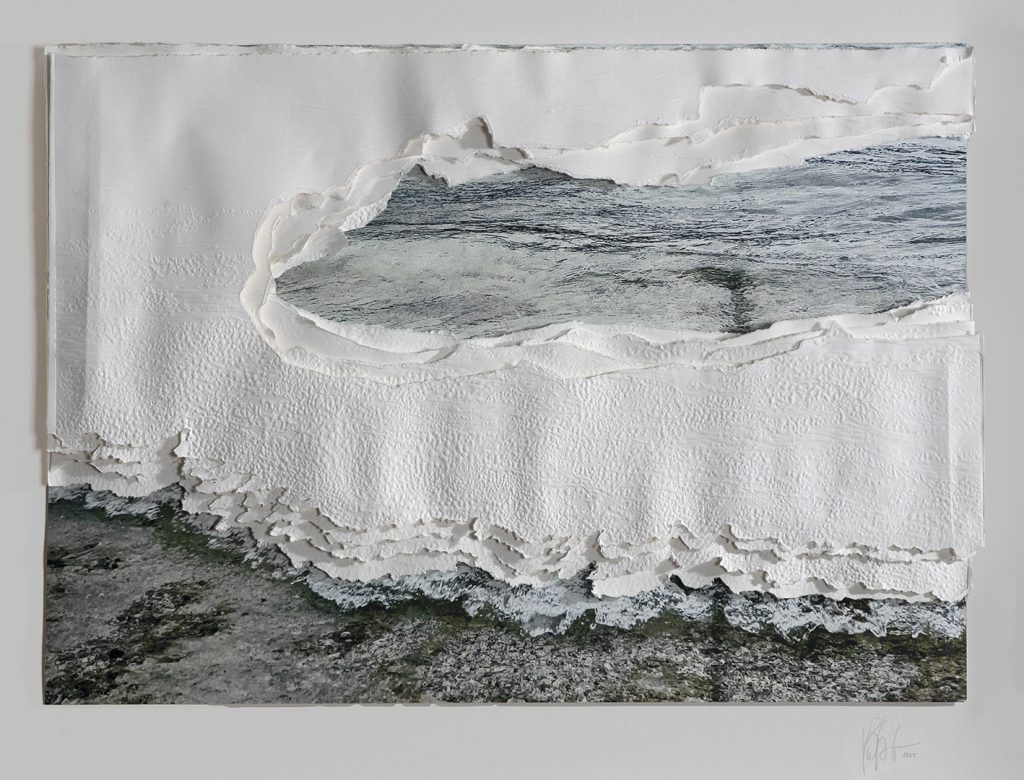
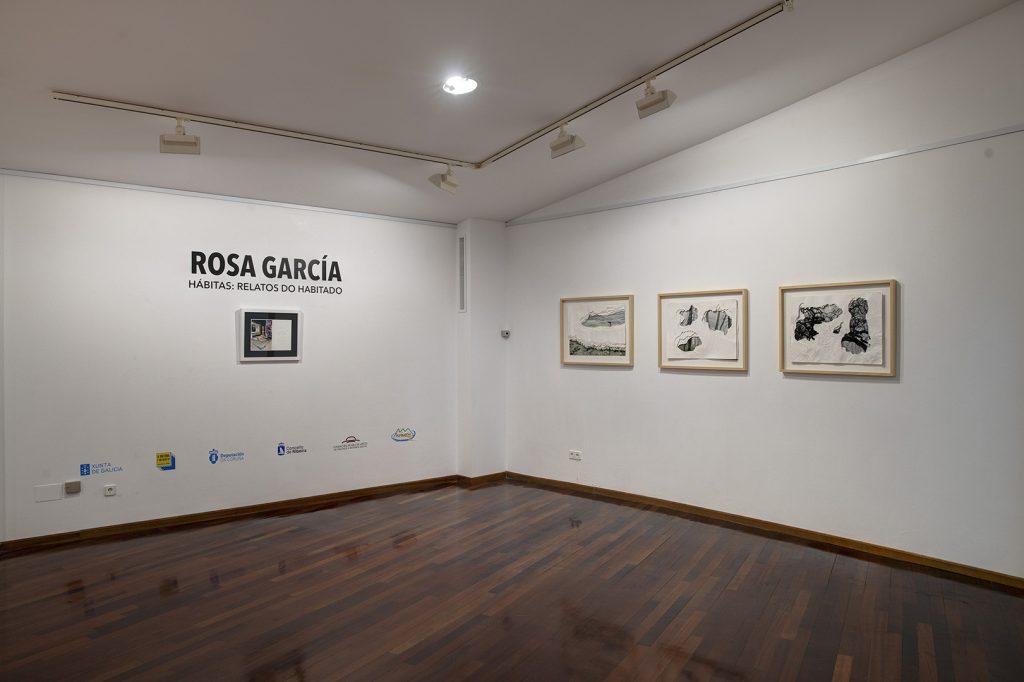
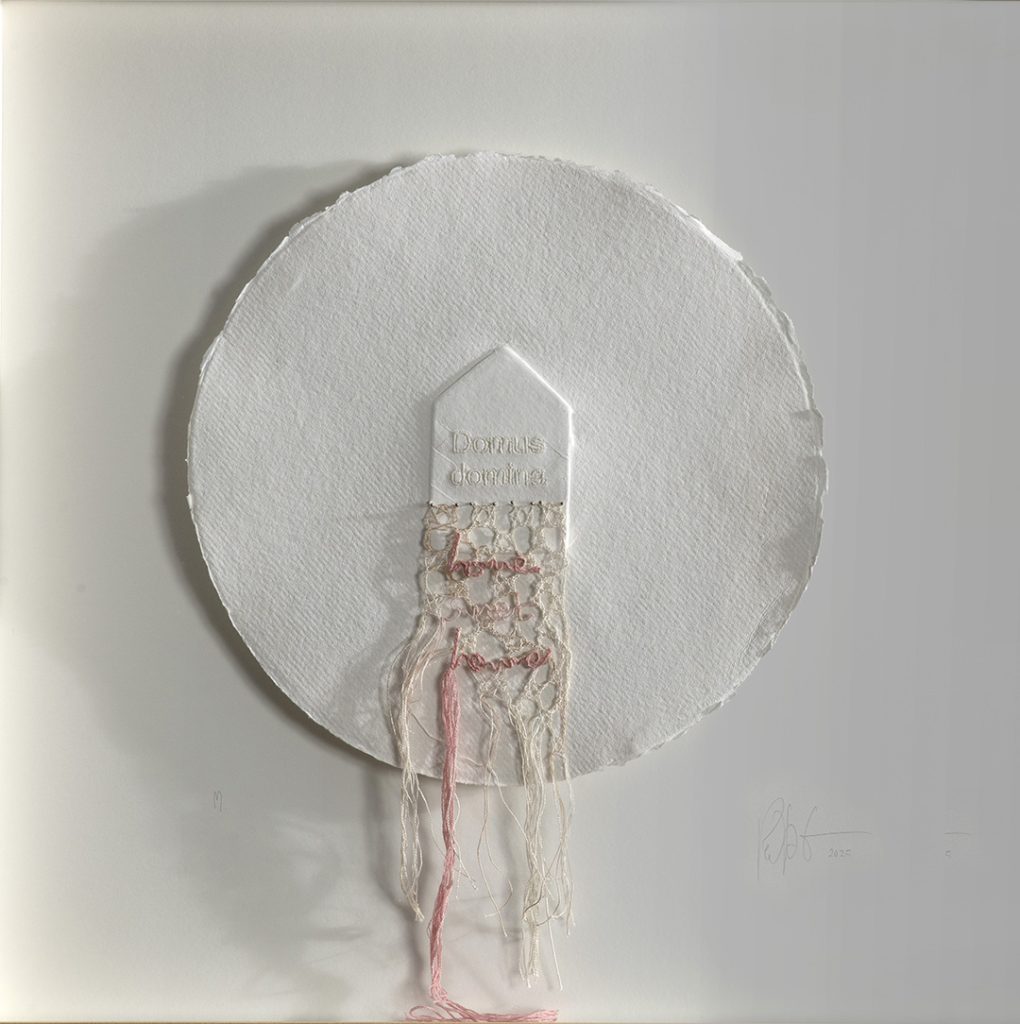
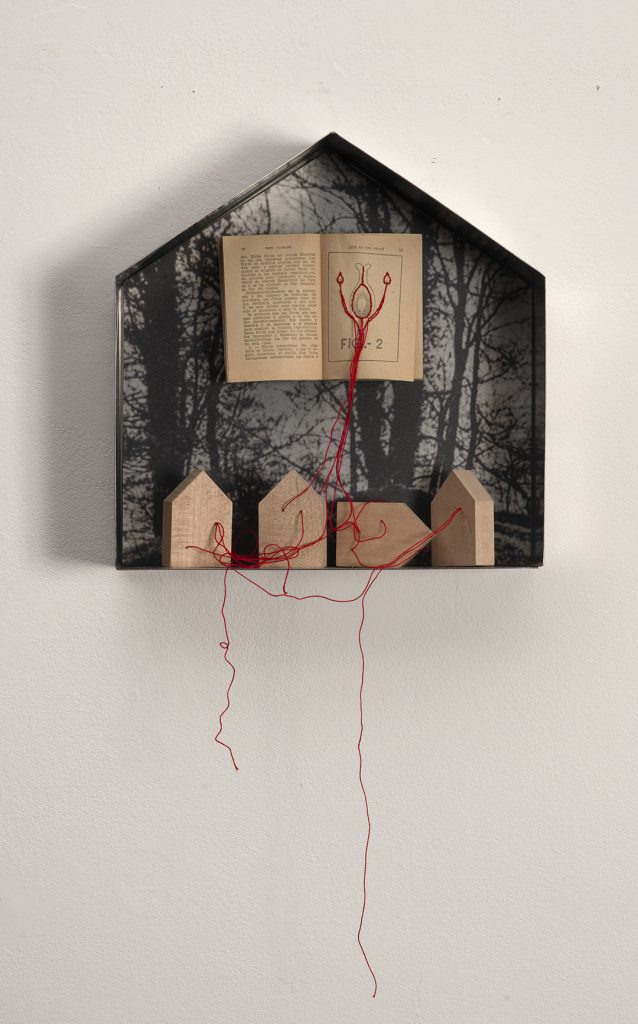
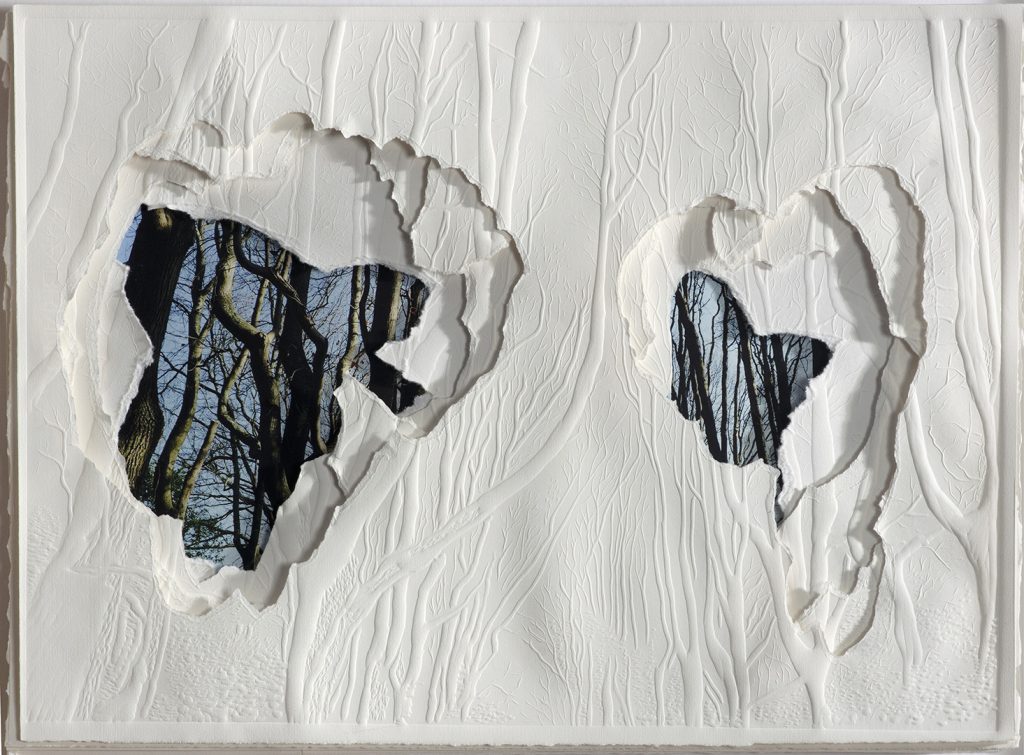
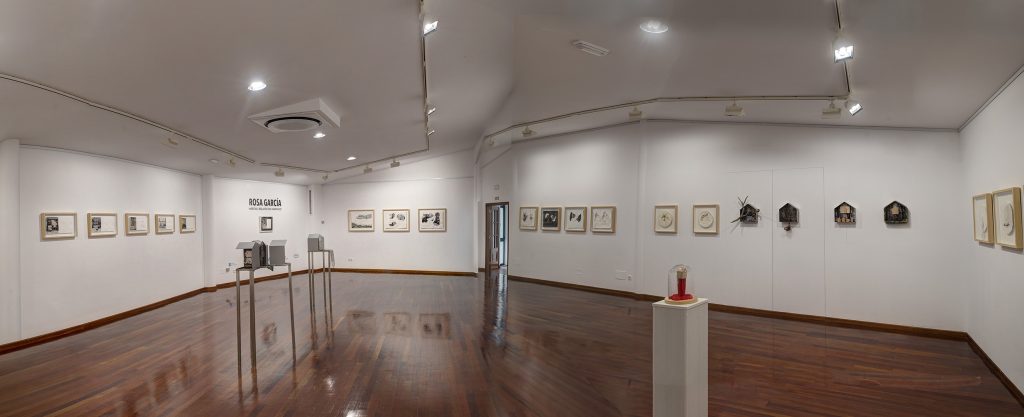
«Relatos de lo habitado” son tres relatos, tres historias, tres narrativas desde las que sentir la experiencia de habitar que forman parte de un trabajo sobre temas recurrentes en mi creación artística: el espacio habitado, la Domus y la memoria, construidos a través del grabado, la fotografía y la escultura desde una poética visual.
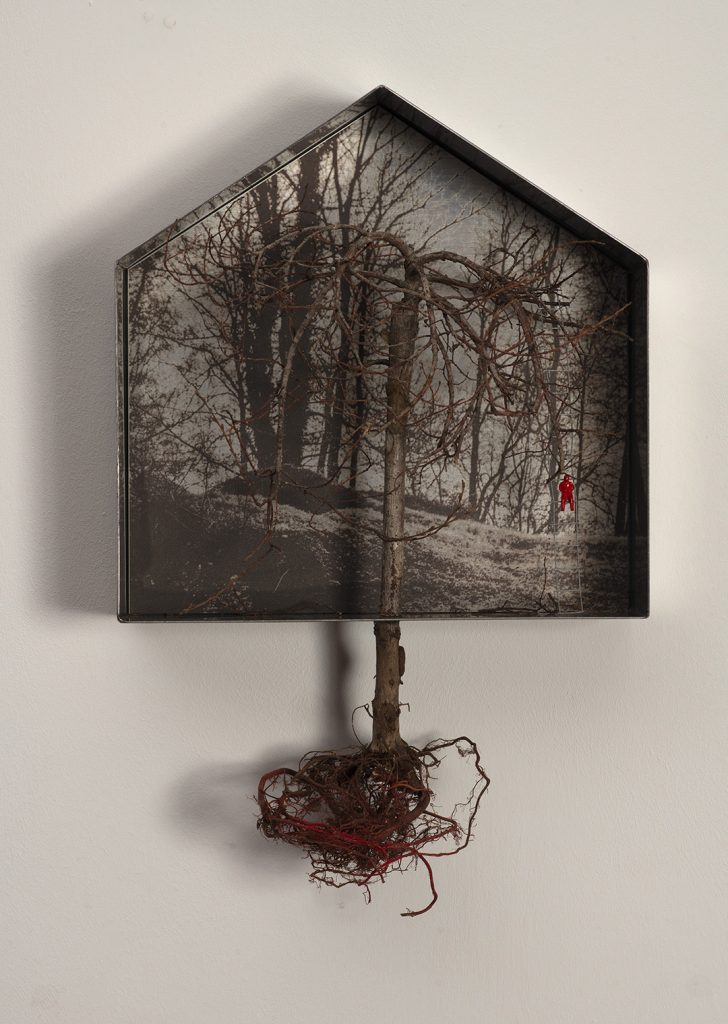
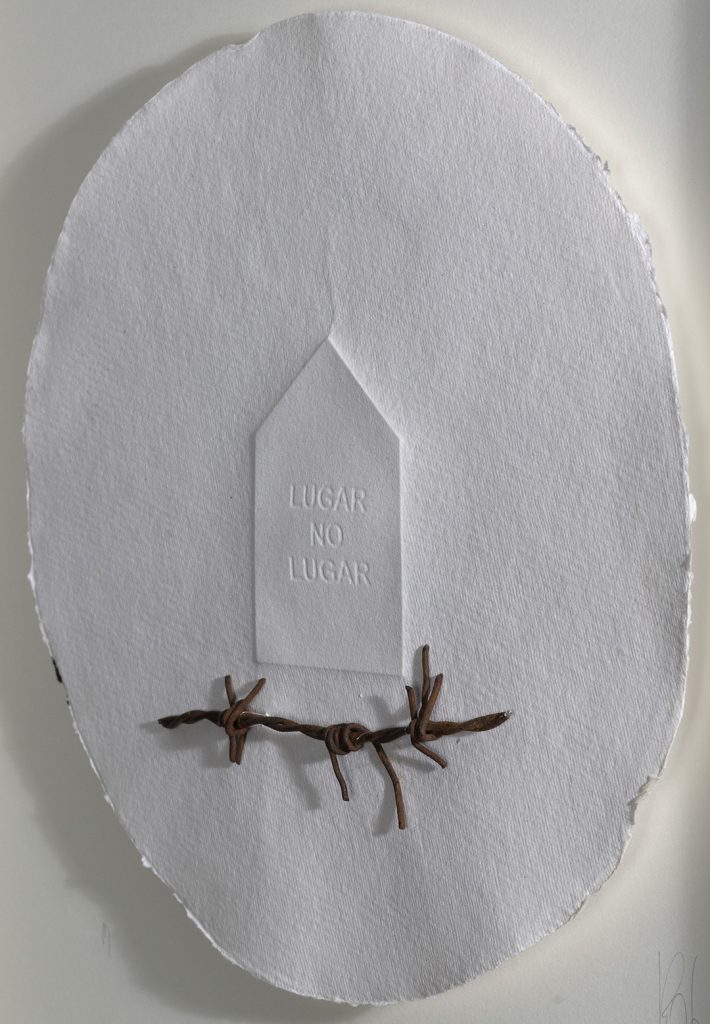
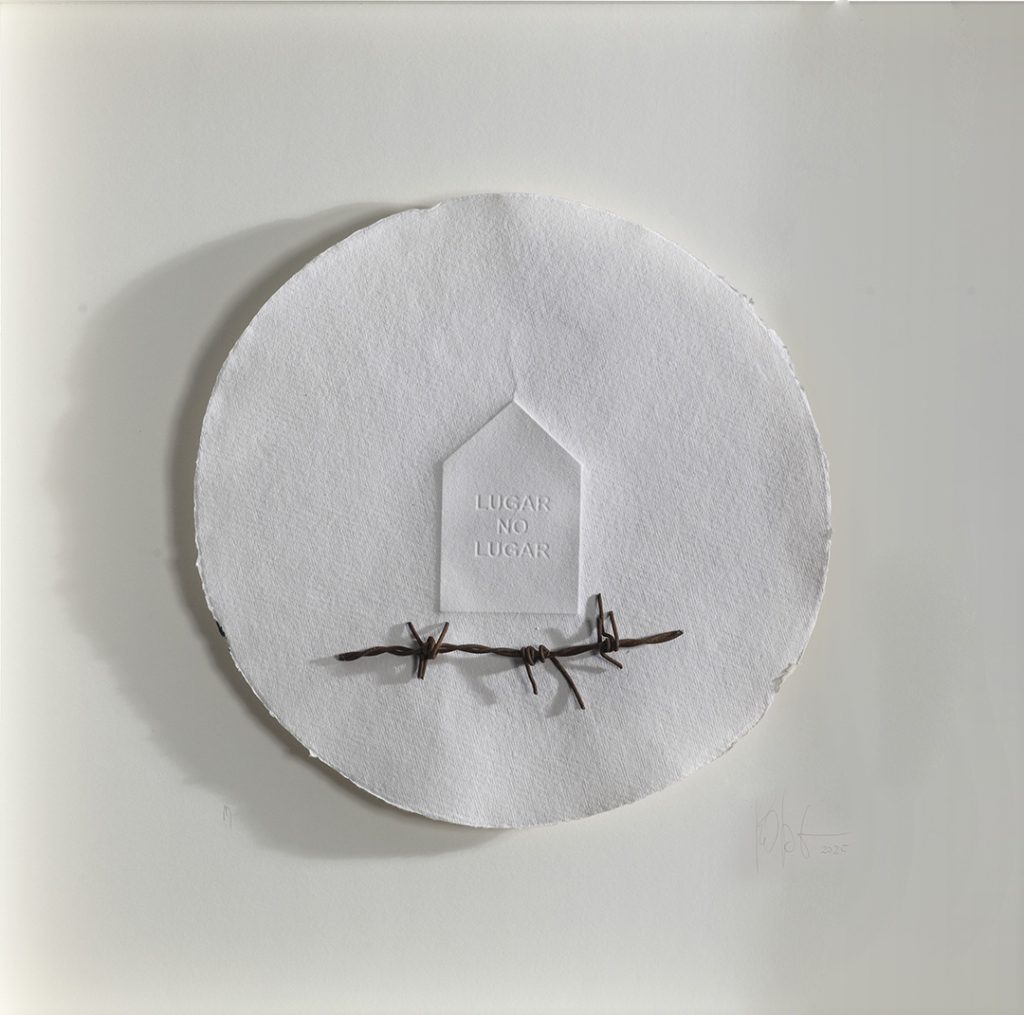
La vulnerabilidad del espacio habitado y la reflexión sobre las maneras de habitar y cohabitar los lugares —en relación con nuestra sociedad, el género o el medio ambiente—, nos llevan a repensar nuestro hábitat: la Domus como refugio o jaula, como lugar de memoria que nos define e identifica.
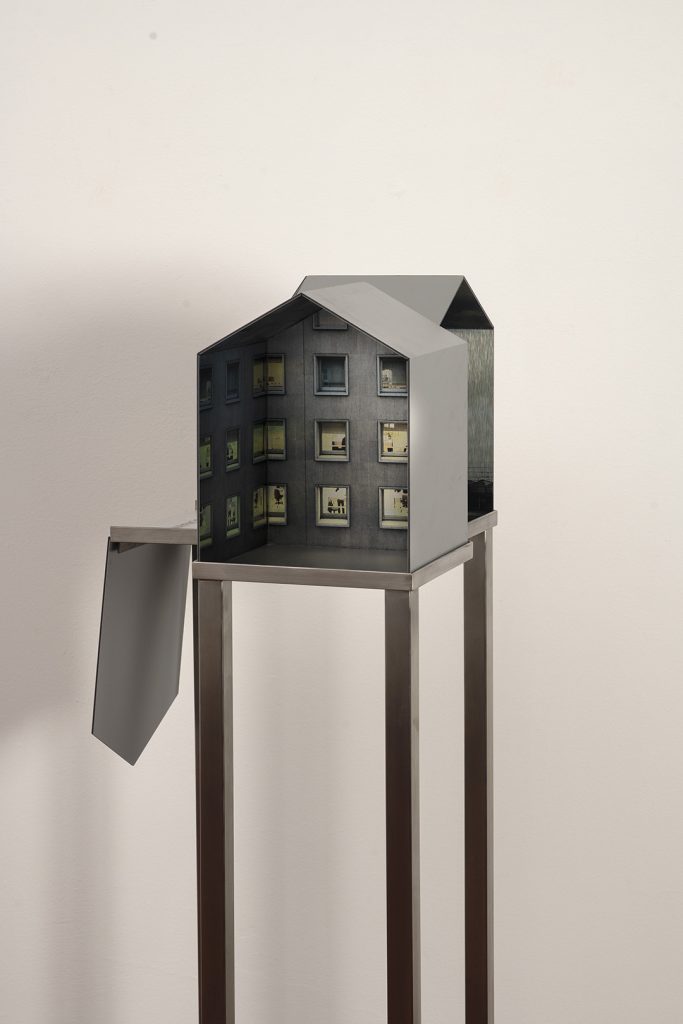
Una casa es más que un lugar físico: es hogar, comunidad, espacio habitable y vivencial. Es algo más íntimo. No es solo ese espacio temporal que se habita y también se deshabita: es el espacio construido; habitar también significa entablar amistad con un lugar natural, con el paisaje, que nuestra mirada convierte en lugar a partir de un territorio. Lo que transforma el espacio en lugar es nuestra relación con él, nuestra memoria. El hábitat es un constructo: un espacio más allá de lo meramente habitable, la relación con los espacios que habitamos, deshabitamos y cohabitamos.
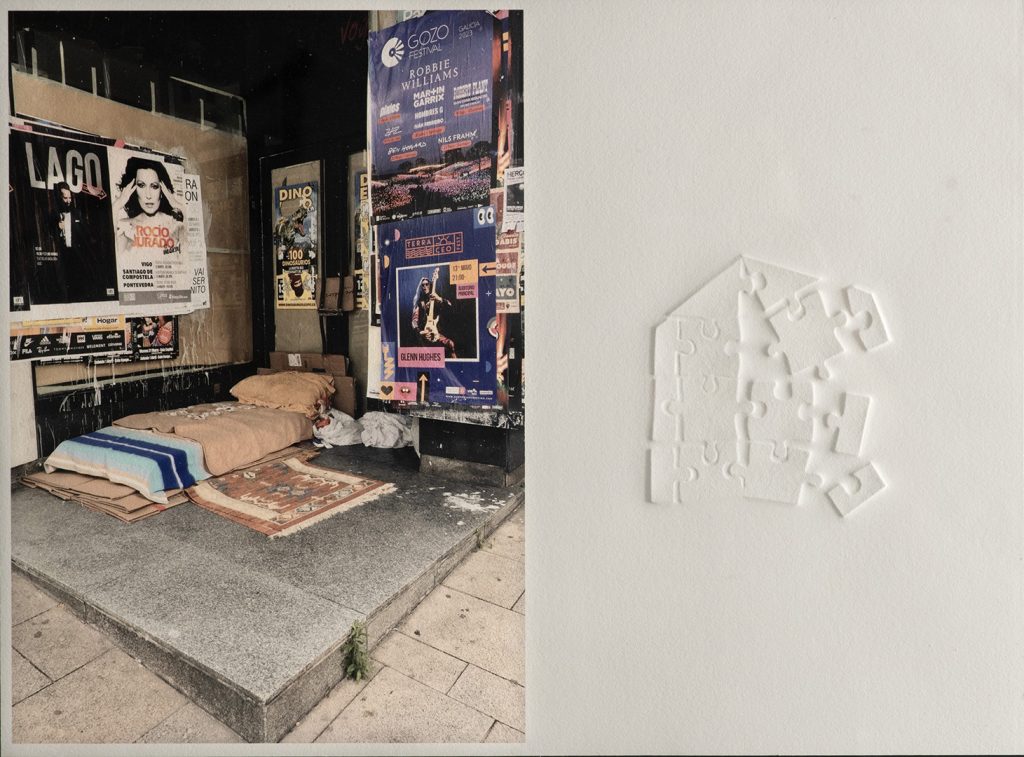
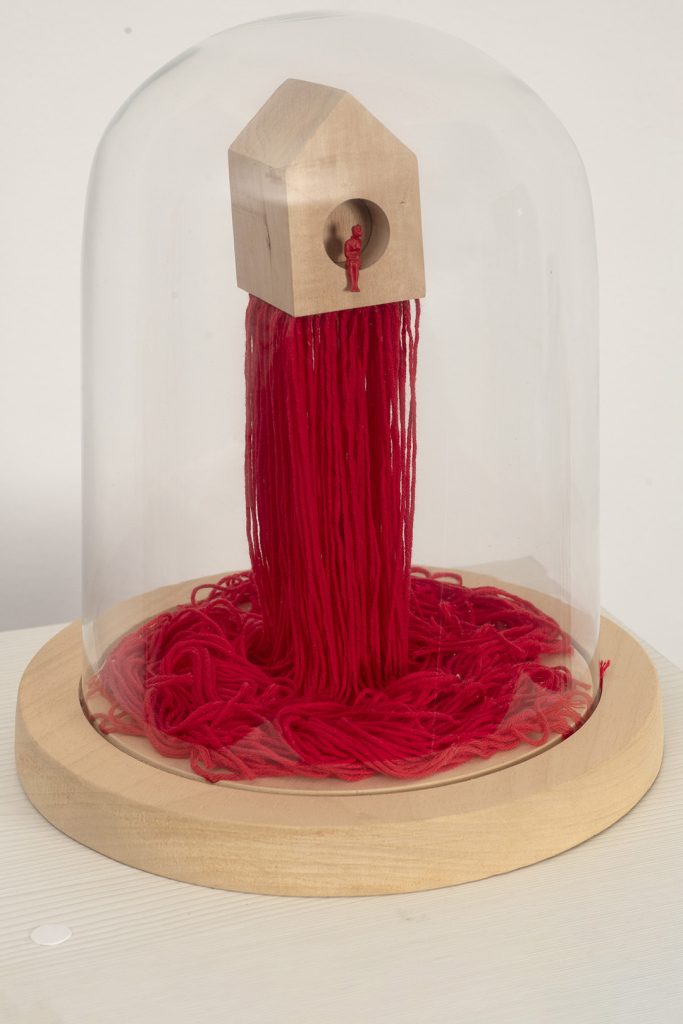
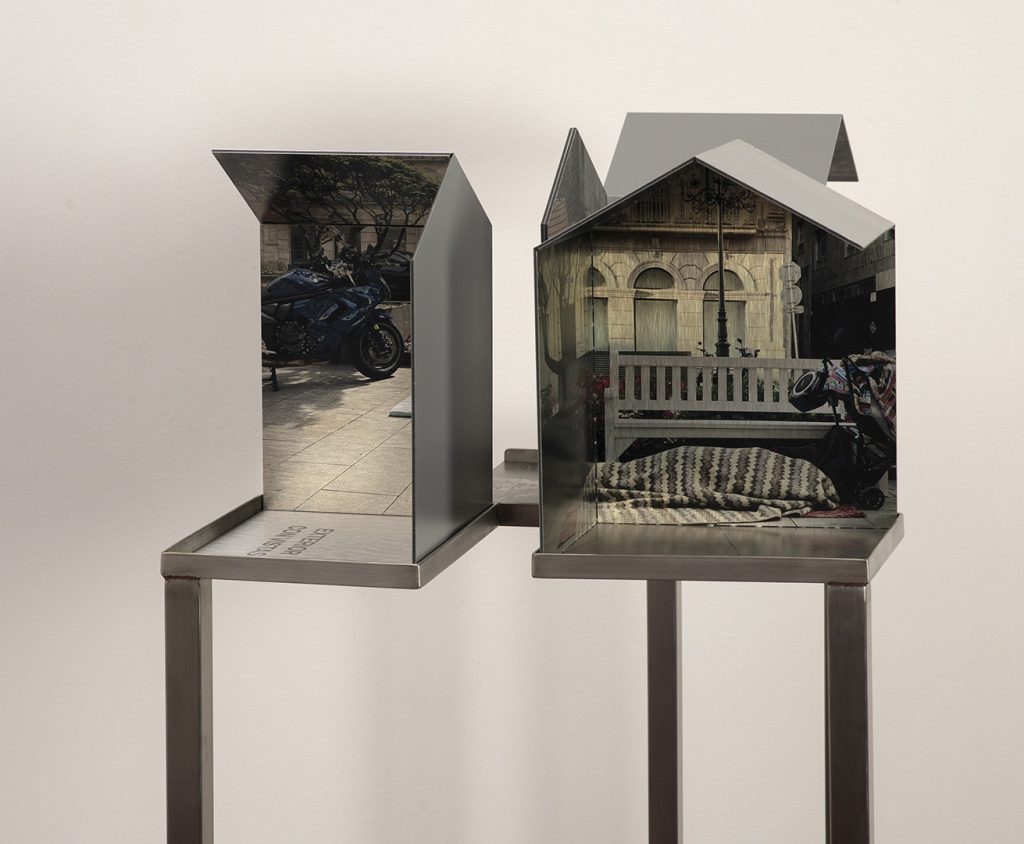
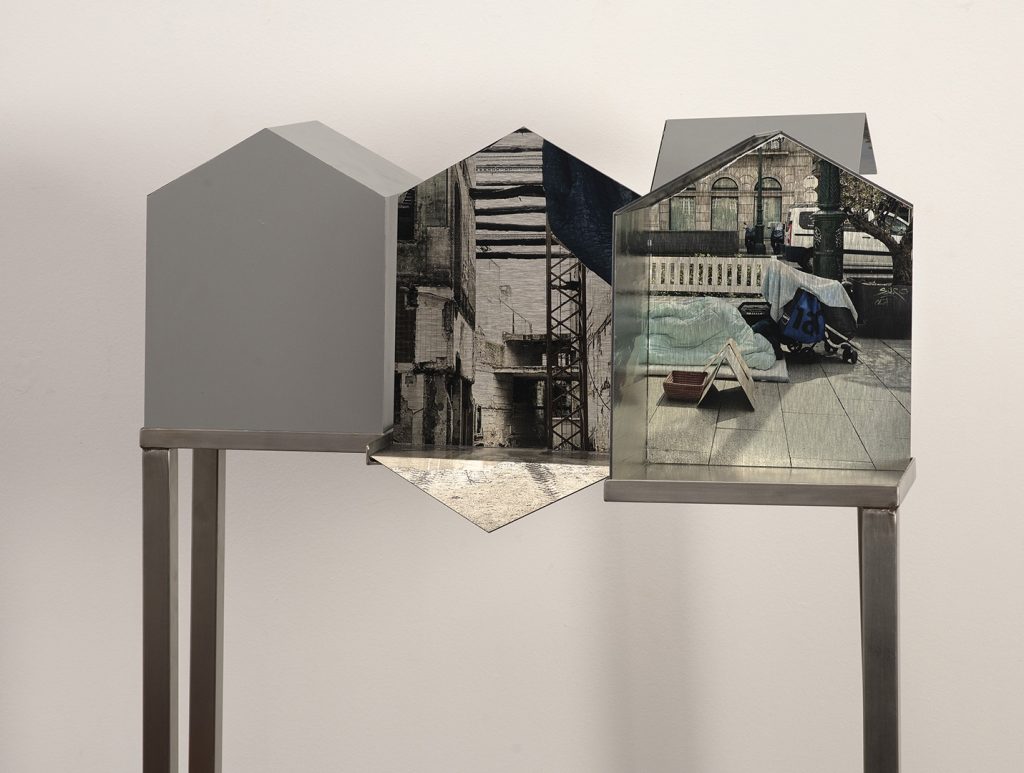
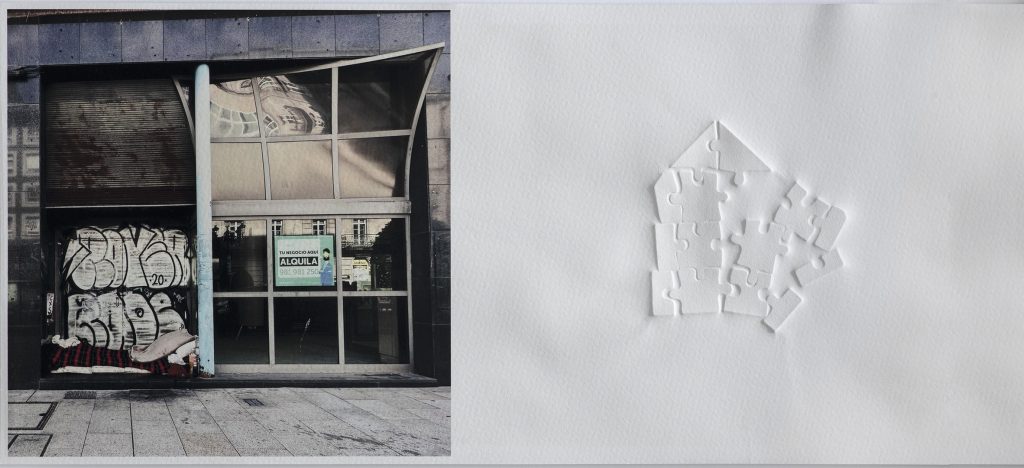
Dentro de la serie Lugares habitados hay una subserie, Impares, en la que aludo a otras formas de habitar la ciudad desde las diásporas sociales. En un artículo reciente de Rosa Montero, titulado «Anidando en la nada», encontré una metáfora perfecta: la idea de anidar. Esos lugares construidos, refugios, muestran cómo levantamos espacios propios; esa necesidad humana de “enraizar”: lugares habitados desde la invisibilidad, pequeños “nidos” que proporcionan cobijo, cargados de memoria. Así el espacio abierto de la ciudad se transforma en un pequeño habitáculo privado, lleno de recuerdos y de pocas pertenencias, a veces ordenadas con intención decorativa, construyendo un hogar mínimo, abierto a miradas desconocidas pero protegido en su intimidad.
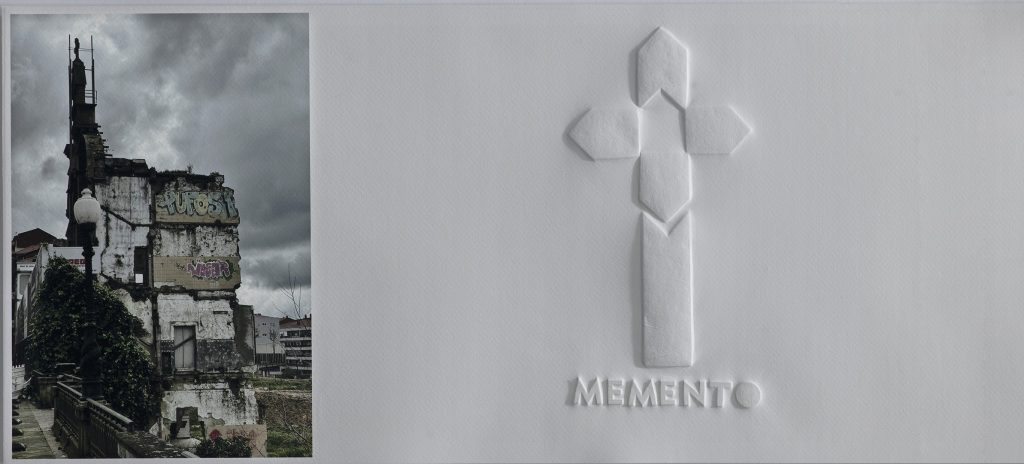
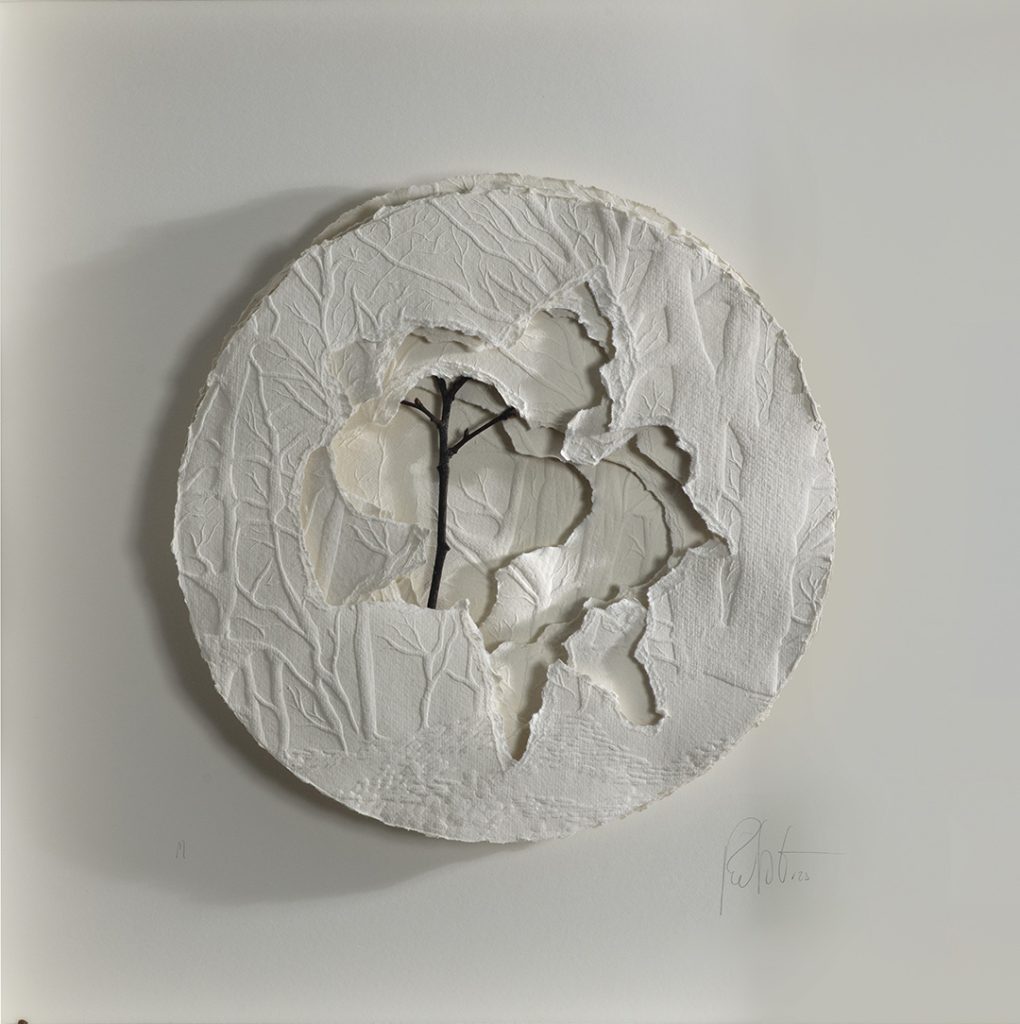
Habitamos lo deshabitado; deshabitamos lo habitado. El abandono, el olvido. El lugar habitado pierde su esencia en el instante en que deja de estarlo: permanece la huella del cobijo, el signo del momento y del lugar en que ofreció amparo. La memoria.
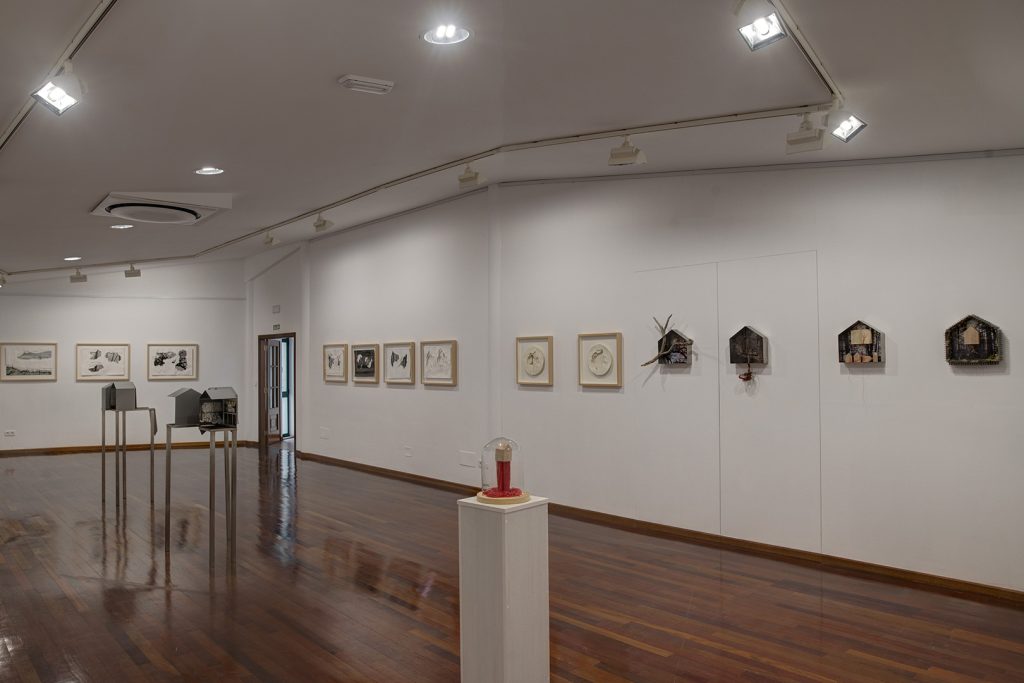
Tales of the Inhabited brings together three stories—three narrative paths for sensing the experience of inhabiting. They form part of an ongoing inquiry into recurring themes in my practice: the inhabited space, the domus, and memory, developed through printmaking, photography, and sculpture within a visual poetics.
I am drawn to the vulnerability of inhabited space and to the ways of inhabiting and cohabiting places in relation to society, gender, and the environment. This approach invites us to rethink habitat: the domus as refuge or cage, as a place of memory that defines and identifies us.
A house is more than a physical site: it is home and community, a habitable and lived space. It is something intimate. Not only a temporary realm that is inhabited and later un-inhabited, but a constructed space; to inhabit also means to befriend a natural place, the landscape that our gaze transforms into place out of a mere territory. What turns space into place is the relationship we establish with it: memory. Habitat is a construct that exceeds what is merely habitable: a web of bonds with the spaces we inhabit, un-inhabit, and cohabit.
Within the series Inhabited Places I develop the subseries Impares (Odd Ones), which alludes to other ways of inhabiting the city from the vantage of social diasporas. In Rosa Montero’s article “Nestling in Nothingness” I found a precise metaphor: to nest. These constructed refuges show how we raise spaces of our own—our human need to take root: small nests that offer shelter and are charged with memory. Thus, the open space of the city is transformed into a private nook, filled with memories and few belongings—sometimes arranged with a decorative intention—building a minimal home, open to unknown gazes yet protected in its intimacy.
We inhabit the un-inhabited; we un-inhabit the inhabited. Then abandonment and forgetting appear. The inhabited place loses its essence once it no longer is, yet the trace of shelter remains: the sign of the moment and the site where it once gave protection. Memory.
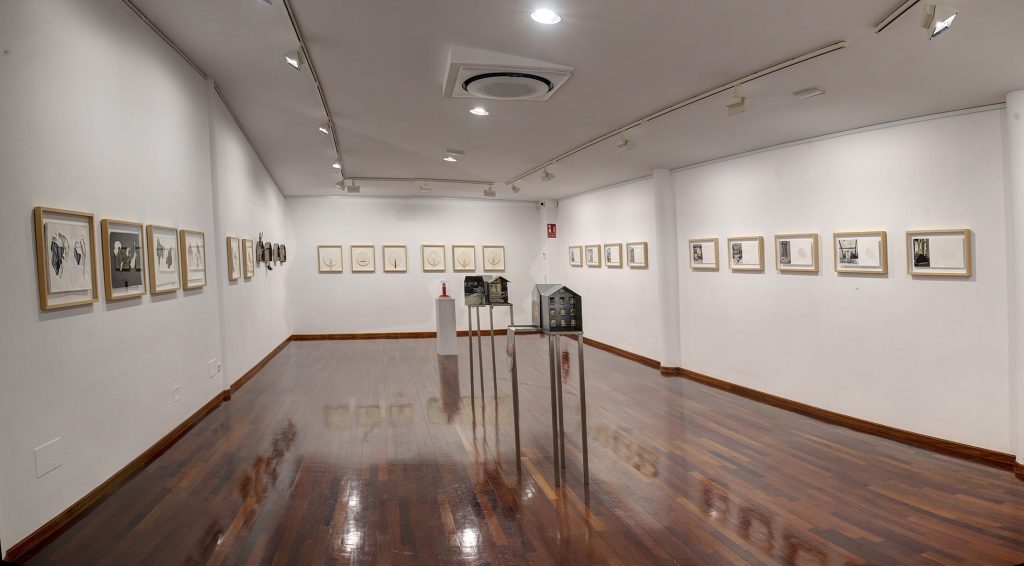
Exhibition «Beyond The Inhabited Place»
EXPOSICIÓN «MÁS ALLÁ DEL LUGAR HABITADO»
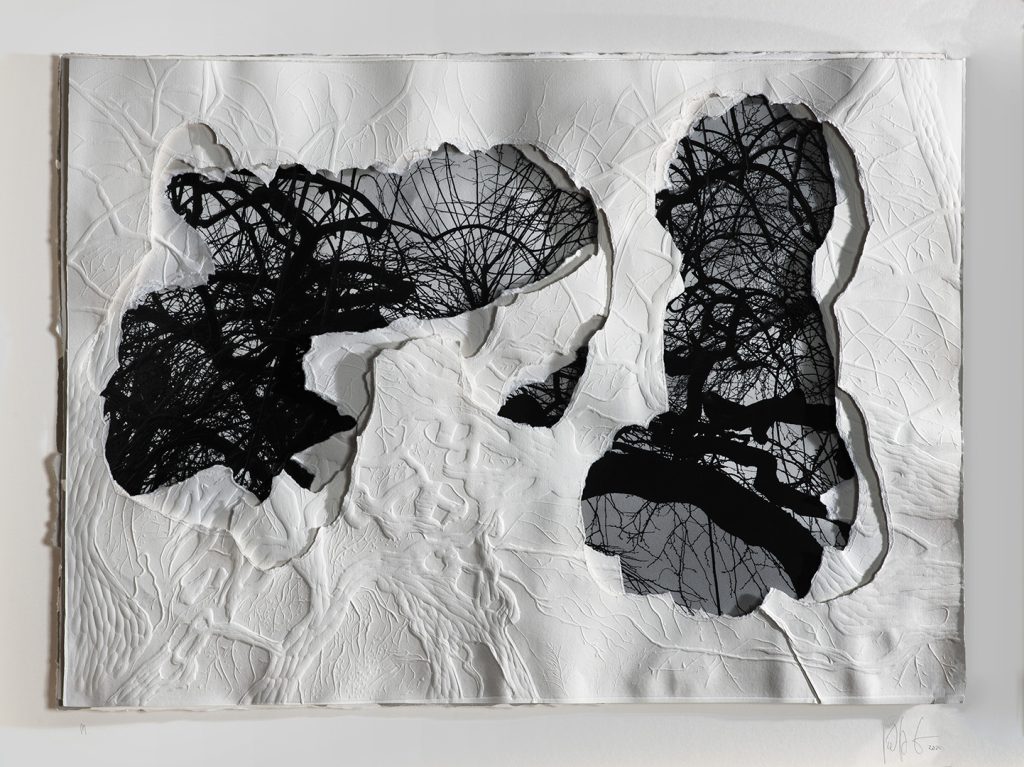
El paisaje no es únicamente una realidad física, sino una construcción cultural que emerge de la relación íntima entre el individuo y el territorio que habita. Cada mirada lo interpreta y lo transforma, generando así múltiples paisajes posibles. En ese diálogo entre cuerpo, memoria y territorio aparece el espacio habitado, el lugar donde se inscriben nuestras formas de vivir y convivir.
La casa —el domus— se revela entonces como refugio y, al mismo tiempo, como posible jaula: un espacio vulnerable que contiene nuestras experiencias, nuestras memorias y nuestras identidades. Desde este lugar íntimo se proyecta también nuestra manera de mirar el mundo. Así, el paisaje y el hábitat se entrelazan como escenarios donde se manifiestan las tensiones entre sociedad, género y medio ambiente, invitándonos a repensar las formas de habitar y de cohabitar el territorio.
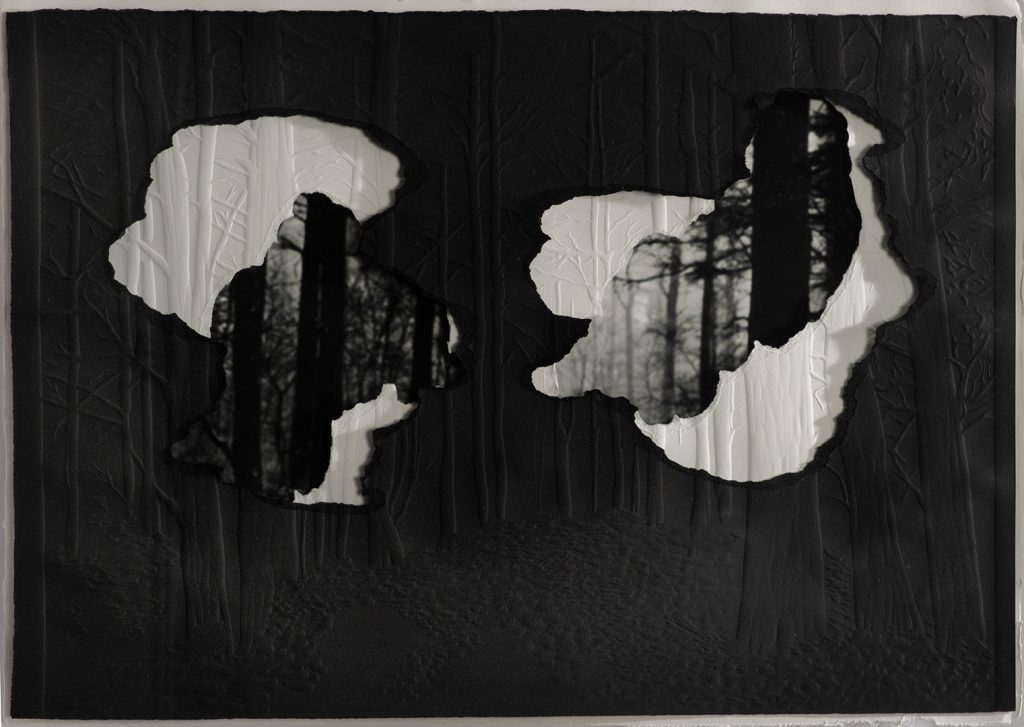
The landscape is not merely a physical reality but a cultural construct that emerges from the intimate relationship between the individual and the territory they inhabit. Each gaze interprets and transforms it, thus generating multiple possible landscapes. In this dialogue between body, memory, and territory, the inhabited space appears—the place where our ways of living and coexisting are inscribed.
The house —the domus— is then revealed as both a refuge and a possible cage: a vulnerable space that contains our experiences, our memories, and our identities. From this intimate place, our way of looking at the world is also projected. Thus, landscape and habitat intertwine as stages where the tensions between society, gender, and the environment unfold, inviting us to rethink the ways we inhabit and cohabit the territory.




© Rosa García, 2024 | Aviso Legal · Privacidad · Cookies